Seamless Patterns with Fruits Vegetables: A Comprehensive Guide to Digital Design Assets
In the realm of digital design, textile printing, and creative packaging, the demand for high-quality, versatile visual assets has never been higher. Among the most enduring and universally appealing categories of design elements are seamless patterns with fruits vegetables. These repeating motifs do more than simply decorate; they evoke a sense of freshness, abundance, and natural beauty that resonates across cultures and demographics. Whether you are a graphic designer looking to create a unique brand identity, a hobbyist planning a home decor project, or a business owner seeking to enhance product packaging, understanding the value and application of these digital assets is crucial.
This guide explores the intricate world of fruit and vegetable-based seamless patterns, detailing their technical specifications, creative applications, and the practical benefits of using downloadable vector and raster files. By delving into the specifics of formats like SVG, EPS, AI, and JPEG, we aim to provide a thorough resource for anyone looking to integrate these vibrant designs into their workflow.
The Art of Repetition: Understanding Seamless Patterns
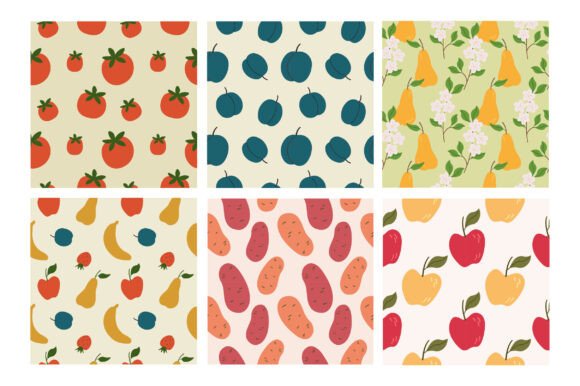
A seamless pattern, often referred to as a repeat pattern, is a design element that can be tiled infinitely in any direction without visible seams or breaks. This technique relies on precise mathematical alignment of edges, ensuring that the visual flow remains uninterrupted. When applied to themes involving tomatoes, plums, potatoes, bananas, apples, pears, strawberries, and various plants, the result is a lush, immersive background that feels organic rather than mechanical.
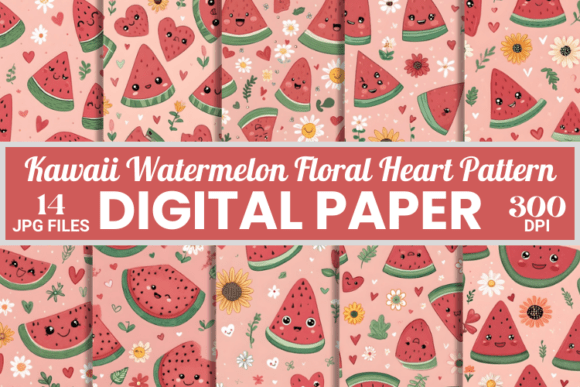
The appeal of these patterns lies in their ability to transform flat surfaces into dynamic canvases. For instance, a pattern featuring scattered strawberries and leafy greens can instantly communicate freshness on a food label, while a more stylized arrangement of geometric tomatoes might lend a modern, pop-art vibe to textile design. The key to successful seamless patterning is balance—distributing visual weight evenly so that no single area feels heavier than another when the pattern repeats.
Key Characteristics of Fruit and Vegetable Motifs
When examining collections of digital art focused on farm and harvest motifs, several distinct characteristics emerge that define their utility and aesthetic appeal.
- Vibrant Color Palettes: Fruits and vegetables offer a naturally diverse spectrum of colors. From the deep purple of plums to the bright yellow of bananas and the rich red of tomatoes, these patterns allow designers to leverage color psychology effectively. Warm tones stimulate appetite and energy, while green hues suggest health and sustainability.
- Diverse Textures: High-quality illustrations capture the subtle textures of produce—the smooth skin of an apple, the rough peel of a potato, or the juicy segments of a strawberry. This attention to detail adds depth and realism to the design, making it more engaging to the viewer.
- Organic Composition: Unlike rigid geometric patterns, fruit and vegetable arrangements often feature organic, flowing compositions. Leaves curl naturally, stems branch out unpredictably, and fruits rest at varying angles. This organic feel makes the patterns suitable for a wide range of contexts, from rustic farm branding to elegant wedding stationery.
- Cultural Versatility: Produce is a universal language. A pattern featuring common items like apples and potatoes transcends cultural barriers, making it an ideal choice for global brands or international marketing campaigns.
Technical Specifications and File Formats
For professionals working in print and digital media, the format of the source file is just as important as the design itself. A premium download package for seamless patterns with fruits vegetables typically includes a comprehensive suite of formats to ensure compatibility across different software and output methods. Understanding these formats helps users select the right tool for the job.
Vector Files: AI, EPS, and SVG
Vector graphics are defined by mathematical equations rather than pixels, allowing them to be scaled to any size without loss of quality. This is particularly advantageous for large-format prints like banners or textiles.
- AI (Adobe Illustrator): This is the native format for Adobe Illustrator, widely used by professional graphic designers. It preserves layers, editable paths, and effects, offering maximum flexibility for customization.
- EPS (Encapsulated PostScript): An older but still widely supported vector format. EPS files are excellent for transferring designs between different applications and are often required by commercial printing presses. Version 10 ensures broad compatibility with various versions of design software.
- SVG (Scalable Vector Graphics): Ideal for web design, SVG files are XML-based and can be edited directly in browsers or code editors. They are lightweight and resolution-independent, making them perfect for responsive websites and digital interfaces.
Raster Files: JPEG
While vectors are preferred for scalability, raster images are essential for certain applications, particularly those requiring immediate visual representation or specific texture rendering.
- JPEG (300 dpi): High-resolution JPEGs are standard for print projects where vector editing is not necessary. A resolution of 300 dots per inch (dpi) ensures crisp, clear output for brochures, cards, and packaging mockups. The RGB color mode is optimized for digital screens and some digital printers, though CMYK conversion may be needed for offset printing.
Practical Applications Across Industries
The versatility of food illustration for textile, wrapping, print, paper, card allows these patterns to be utilized in a myriad of industries. Below are some specific use cases that highlight the practical value of these assets.
Textile and Fashion Design
Fabric printing is one of the most prominent uses for seamless patterns. Designers creating summer dresses, kitchen aprons, tablecloths, or nursery bedding can use fruit and vegetable motifs to create cheerful, lively products. The infinite tiling capability ensures that the fabric rolls can be printed continuously without interruption, maintaining visual consistency throughout the garment or home decor item.
Packaging and Branding
For businesses in the food and beverage sector, packaging is a critical touchpoint. A box of tea, a bag of coffee, or a jar of jam can benefit greatly from a custom pattern. Using seamless patterns with fruits vegetables reinforces the product's ingredients and quality. For example, a chocolate bar wrapper featuring subtle cocoa beans and leaves communicates authenticity, while a juice carton adorned with bright oranges and lemons suggests natural flavor.
Stationery and Greeting Cards
The stationery industry thrives on personalization and aesthetics. Notebooks, planners, and greeting cards often use thematic patterns to set the tone. A card celebrating a birthday might feature playful strawberries and bananas, while a thank-you note could utilize a more subdued arrangement of olive branches and tomatoes. The availability of both vector and high-res raster files allows for easy integration into existing design templates.
Digital Media and Web Design
In the digital space, SVG patterns can be used as backgrounds for websites, apps, and social media posts. They load quickly and scale perfectly on all devices, from mobile phones to large desktop monitors. Creators can overlay text and other UI elements on top of these patterns to create visually rich interfaces that remain readable and functional.
Benefits of Instant Download Digital Assets
Opting for instant download digital assets offers significant advantages over commissioning custom work or sourcing low-quality free images.
- Time Efficiency: Projects often have tight deadlines. Having access to pre-made, high-quality patterns allows designers to skip the creation phase and move straight to customization and layout. This accelerates the production cycle significantly.
- Cost-Effectiveness: Purchasing a bundle of six repeating backgrounds is generally more affordable than hiring an illustrator for multiple custom designs. It provides excellent value for money, especially for small businesses and independent creators.
- Professional Quality: Premium digital assets are created by experienced artists who understand composition, color theory, and technical requirements. This ensures that the final output looks polished and professional, enhancing the credibility of the user's brand or project.
- Flexibility and Variety: A collection typically includes variations in style, color, and density. This variety allows users to choose the pattern that best fits their specific needs, whether they require a bold, eye-catching design or a subtle, textured background.
Implementation Tips for Designers
To get the most out of your seamless patterns with fruits vegetables, consider the following tips during implementation:
- Check Resolution Requirements: Always verify the DPI of raster files before sending them to print. While 300 dpi is standard, some large-format prints may require higher resolutions to avoid pixelation.
- Utilize Layers: When working with AI or EPS files, explore the layer structure. You may be able to isolate specific elements, such as removing the background or changing the color of individual fruits to match your brand palette.
- Test Tiling: Before finalizing a design, create a test tile to ensure there are no visible seams. Most design software has built-in tools for checking seamless repeats, which can save time and prevent errors in the final output.
- Consider Context: Think about where the pattern will be used. A busy pattern with many overlapping elements might work well for a textile but could clutter a business card. Adjust the scale and opacity to suit the medium.
Conclusion
The integration of seamless patterns with fruits vegetables into creative projects offers a powerful way to convey themes of nature, health, and abundance. With the availability of high-quality digital assets in multiple formats, designers and creators have unprecedented access to professional-grade resources. Whether you are designing for print, web, or textile, these patterns provide a flexible and visually striking solution. By understanding the technical aspects and practical applications outlined in this guide, you can effectively leverage these assets to enhance your work and engage your audience.
As the demand for authentic and aesthetically pleasing design continues to grow, the role of well-crafted digital patterns becomes increasingly important. Embracing these tools not only streamlines the creative process but also elevates the final product, ensuring it stands out in a crowded marketplace. For those ready to dive into creativity, the instant download of these comprehensive design files represents a valuable investment in artistic potential and professional efficiency.