Unlocking the Artistic Potential of Wildflower Watercolor Wash Patterns in Digital Design
In the rapidly evolving landscape of digital content creation, the demand for authentic, high-quality visual assets has never been greater. Whether you are a graphic designer crafting invitations, an educator preparing classroom materials, or a small business owner branding your social media presence, the tools and resources available can make or break the aesthetic appeal of your work. Among the myriad of digital papers and backgrounds available today, Wildflower Watercolor Wash Patterns have emerged as a versatile and beloved choice for creators seeking to infuse their projects with organic beauty and professional polish.
This article explores the specific characteristics, technical advantages, and diverse applications of these seamless digital paper patterns. By understanding what makes these files unique—particularly those generated through advanced artificial intelligence—we can better appreciate how they fit into modern creative workflows. From scrapbooking enthusiasts to large-scale commercial printers, the utility of high-resolution, 300 dpi seamless patterns extends far beyond simple decoration, offering a foundation for sophisticated design.
The Anatomy of a Premium Digital Paper
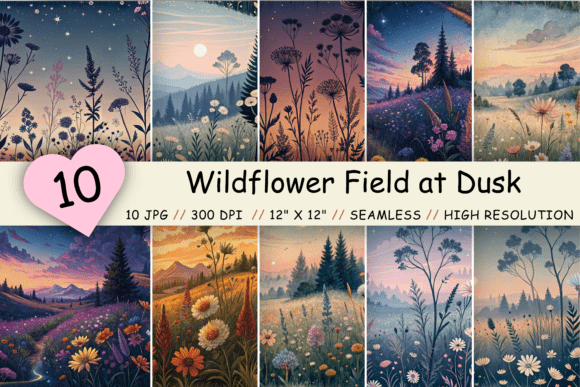
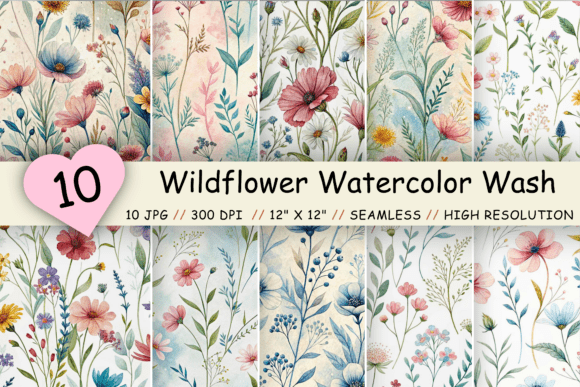
To truly leverage the power of Wildflower Watercolor Wash Patterns, it is essential to understand the technical specifications that define a premium digital asset. Not all digital papers are created equal, and the difference between a low-resolution clip art and a professional-grade seamless pattern is significant. The product in question typically includes a zipped file containing ten distinct JPG backgrounds, each meticulously crafted to meet rigorous industry standards.
First, consider the resolution. These patterns are provided at 300 dpi (dots per inch). In the world of print design, this is the gold standard. A resolution of 300 dpi ensures that when you scale up your design for physical output—whether it be a wedding invitation, a greeting card, or a banner—the image remains crisp and free from pixelation. For digital use, such as websites or social media posts, this high fidelity translates to sharp, clear visuals that look excellent on high-density screens like Retina displays.
Secondly, the dimensions matter. Each file measures 12 x 12 inches, which equates to 3600 x 3600 pixels. This square format is particularly popular among crafters and scrapbookers who often work with standard paper sizes. However, its versatility lies in its ability to be tiled seamlessly. Because the pattern is designed to repeat without visible breaks, designers can expand these 12x12 inch tiles to fill any canvas size required by their project, maintaining the integrity of the watercolor wash effect across the entire surface.
Understanding Seamless Patterns and AI Generation
A critical feature of these digital papers is their status as seamless patterns, also known as repeating patterns. A seamless pattern is a design element that can be replicated infinitely in any direction without discernible breaks, seams, or interruptions. Imagine tiling a wallpaper; if you can see the edges where one tile meets another, the pattern is not seamless. If the flowers and washes flow continuously from one tile to the next, creating an illusion of an endless field of wildflowers, you are looking at a true seamless pattern.
This capability transforms a static image into a dynamic background tool. Instead of being limited to a fixed frame, designers can stretch the pattern to cover a website header, wrap it around a cylindrical product label, or use it as a full-page background for a digital eBook. The Wildflower Watercolor Wash Patterns exemplify this by allowing the eye to travel naturally across the design, guided by the soft, organic shapes of the blooms and the fluid gradients of the watercolor technique.
Furthermore, the mention that these patterns are created by artificial intelligence adds a layer of modern intrigue to their production. AI-generated art has matured significantly, capable of mimicking complex textures and artistic styles with remarkable accuracy. In the context of watercolor washes, AI can replicate the unpredictable bleeding of pigments, the granulation of paper texture, and the delicate interplay of light and shadow that characterize traditional hand-painted works. This technological advancement allows for the rapid generation of unique, non-repetitive variations within a set, ensuring that the ten included files offer distinct visual experiences rather than minor color tweaks of the same base image.
Diverse Applications Across Industries
The beauty of Wildflower Watercolor Wash Patterns lies in their adaptability. They are not confined to a single niche but serve a broad spectrum of users, from hobbyists to corporate professionals. Below are several key areas where these digital papers shine.
Crafts and Scrapbooking
For hobbyists and scrapbookers, digital papers are a game-changer. Traditionally, crafting involved purchasing physical paper packs, which could be expensive, take up storage space, and limit experimentation. With digital downloads, creators can print exactly what they need, when they need it. The 12x12 inch format is ideal for standard scrapbook layouts, allowing users to cut, paste, and layer elements with precision. The romantic, natural aesthetic of wildflowers complements themes of spring, weddings, baby showers, and nature-inspired journals perfectly.
Event Stationery and Invitations
Birthday parties, bridal showers, and formal weddings often rely on elegant stationery. Using Wildflower Watercolor Wash Patterns as a background for invitations, RSVP cards, or place settings adds a touch of sophistication and warmth. The softness of the watercolor wash provides a gentle backdrop that allows text to remain legible while adding visual interest. Because the patterns are seamless, designers can create custom-sized envelopes or decorative borders that match the main invitation, ensuring a cohesive brand identity for the event.
Commercial Product Design
Small business owners in the home decor and lifestyle sectors can utilize these patterns for product packaging, textile prints, and wallpaper designs. The high resolution ensures that the patterns hold up well when scaled for large-format printing. For instance, a candle company might use a wildflower wash pattern on their labels, while a boutique clothing line might incorporate similar motifs into their fabric prints or hang tags. The AI-generated nature of these files means that businesses can access unique, proprietary-looking designs without commissioning expensive custom illustrations.
Educational and Corporate Materials
Educators and trainers often struggle to find visually appealing yet professional backgrounds for their presentations and worksheets. While overly busy patterns can be distracting, the subtle washes of Wildflower Watercolor Wash Patterns provide enough texture to engage students without overwhelming the primary content. Similarly, corporate communications can benefit from these organic designs when aiming for a more approachable, human-centric brand voice, such as in wellness newsletters or community outreach programs.
Technical Considerations for Best Results
While the quality of the source file is paramount, the end result also depends on how the user handles the assets. To get the most out of your Wildflower Watercolor Wash Patterns, consider the following best practices.
- Color Management: Ensure that your design software and printer are calibrated correctly. Digital colors (RGB) can sometimes appear differently when printed (CMYK). Always check a proof print before committing to a large batch.
- Layering Techniques: Don’t let the pattern dominate the composition. Use opacity layers, drop shadows, or solid color overlays to create depth. Placing white or dark semi-transparent boxes over the pattern can improve text readability.
- File Organization: Since you will receive a zipped file, extract the ten JPGs immediately and organize them into a dedicated folder. Label them clearly (e.g., "Pattern_1.jpg", "Pattern_2.jpg") to streamline your workflow during busy creative sessions.
Why Choose AI-Generated Art for Creative Projects?
The rise of AI in creative fields has sparked debate, but for practical application, it offers undeniable benefits. AI-generated patterns like the Wildflower Watercolor Wash Patterns allow for rapid iteration and accessibility. They democratize design by providing high-quality assets that were previously only available through expensive stock photography subscriptions or custom illustration commissions. Moreover, because these patterns are mathematically calculated to tile seamlessly, they eliminate the common frustration of mismatched edges that plague manually cropped images.
For researchers and educators studying the intersection of technology and art, these files serve as excellent case studies in generative design. They demonstrate how algorithms can interpret artistic concepts like "watercolor" and "wildflower" and synthesize them into coherent, usable visual data. This bridges the gap between traditional aesthetics and digital innovation, offering a fresh perspective on how we consume and create visual culture.
Conclusion: Elevating Your Creative Output
Incorporating Wildflower Watercolor Wash Patterns into your design toolkit is more than just adding pretty backgrounds; it is about embracing a workflow that values quality, versatility, and efficiency. Whether you are printing a heartfelt letter, designing a commercial product, or teaching a class, these 300 dpi, seamless digital papers provide a reliable foundation for excellence. As technology continues to evolve, leveraging tools like AI-generated art allows creators to focus less on the mechanics of image creation and more on the storytelling and emotional impact of their designs. By staying updated with new trends and tools, and by utilizing high-quality resources, you ensure that your work remains relevant, engaging, and professionally executed.