Retro Pastel Seamless Patterns: Integrating Digital Assets into Creative Workflows
In the landscape of digital content creation, visual consistency is often the difference between a disjointed project and a polished, professional output. For designers, scrapbookers, educators, and small business owners, the ability to quickly generate high-quality backgrounds is not just a convenience; it is a critical component of an efficient workflow. This is where Retro Pastel Seamless Patterns enter the equation. These assets are more than simple decorative images; they are foundational elements that support branding, storytelling, and aesthetic coherence across various media.
The term "seamless" refers to a specific technical property of the image file. A seamless pattern repeats infinitely without visible lines or breaks when tiled. This functionality allows creators to fill large areas—such as website headers, presentation slides, print layouts, or digital journal pages—with a consistent texture using minimal data. The "Retro Pastel" descriptor indicates a specific color palette and stylistic era, typically evoking nostalgia through soft, muted tones reminiscent of mid-century design or 90s aesthetics. Understanding how to leverage these patterns requires looking beyond the visual appeal and examining their practical application in daily production cycles.
Understanding the Asset Specifications
Before integrating any digital asset into a workflow, verifying its technical specifications is essential for ensuring compatibility and quality. The product in question offers a specific set of features designed to maximize utility for both hobbyists and professionals.
- File Format: The patterns are provided in PNG format. Portable Network Graphics (PNG) is a lossless compression format that supports transparency. While many background applications prefer JPG for smaller file sizes, PNG is preferred here because it preserves the crisp edges of the pattern details without introducing compression artifacts. This ensures that when the pattern is scaled or printed, the integrity of the design remains intact.
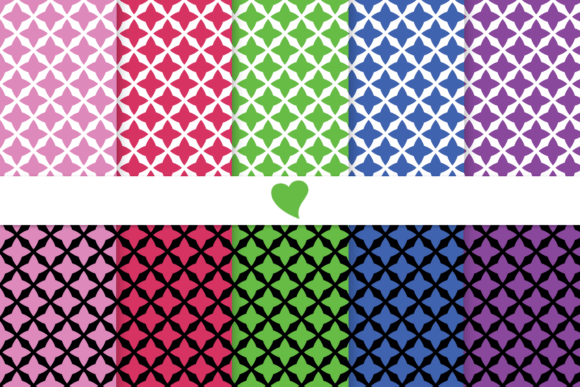
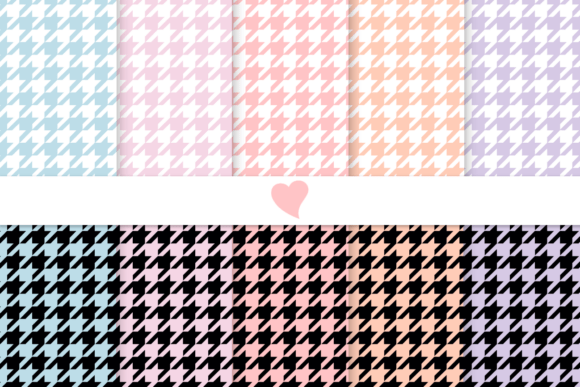
- Color Variations: The package includes one pattern available in ten distinct color ways. This variety is crucial for maintaining brand consistency while offering flexibility. For instance, a marketer might use a lighter pastel shade for a summer campaign and a deeper tone for a winter promotion, all while keeping the underlying geometric or textured structure identical.
- Resolution and Dimensions: Each paper measures 12×12 inches at 300 DPI (dots per inch). This resolution is the industry standard for high-quality printing. Whether you are creating physical scrapbooks, junk journals, or printable planners, 300 DPI ensures that the pattern appears sharp and detailed on paper. The 12×12 inch dimension is also a standard size in the scrapbooking and papercraft community, making these files immediately usable in popular software like Adobe InDesign, Photoshop, or Canva without complex resizing.
Integration into Creative Processes
The value of Retro Pastel Seamless Patterns becomes apparent when viewed through the lens of process optimization. Instead of designing a background from scratch for every new project, creators can utilize these pre-made assets to accelerate their timeline. This approach shifts the focus from technical execution to creative direction.
Scrapbooking and Junk Journal Design
For hobbyists engaged in scrapbooking or junk journaling, time management is often a challenge. Creating unique backgrounds manually can be tedious. By downloading a set of seamless papers, users can instantly populate their digital or physical layouts. The seamless nature of the files allows for easy tiling in photo editing software, enabling the user to create full-page backgrounds that extend beyond the standard canvas limits. This is particularly useful for creating collage-style pages where multiple textures need to blend harmoniously.
Furthermore, the ten color variations allow for thematic organization. A creator might assign specific colors to different months or themes within their journal, creating a cohesive archive over time. This level of organization reduces decision fatigue, allowing the creator to focus on the narrative and layout rather than color theory.
Digital Product Creation
Entrepreneurs and freelancers who sell digital products, such as Notion templates, e-books, or social media kits, benefit significantly from high-quality background assets. Consistency builds trust with customers. When a designer uses a recognizable style across their product line, it reinforces brand identity. Using Retro Pastel Seamless Patterns ensures that the background does not distract from the primary content, such as text or charts, but instead provides a supportive, aesthetically pleasing foundation.
When integrating these patterns into digital documents, it is important to consider layering. Placing text boxes over a busy pattern can reduce readability. A practical workflow involves adjusting the opacity of the pattern layer or adding a semi-transparent overlay to ensure contrast. Because the PNG format supports transparency, this layering process is straightforward and non-destructive.
Educational Materials and Presentations
Educators and corporate trainers often struggle with creating visually engaging yet professional materials. Standard PowerPoint or Google Slides templates can feel generic. Incorporating subtle retro pastel patterns can refresh the visual language of a presentation. The key here is subtlety. The pattern should serve as a texture rather than the focal point. By setting the pattern layer to a low opacity (e.g., 10-20%), presenters can achieve a sophisticated look that feels custom-made without requiring advanced graphic design skills.
Technical Implementation and Best Practices
To get the most out of these assets, users should follow a structured approach to implementation. This ensures efficiency and maintains quality control throughout the project lifecycle.
- Asset Organization: Upon download, immediately organize the ten PNG files into a dedicated folder within your project directory. Naming conventions matter; label them clearly (e.g., "Pattern_Pastel_Blue," "Pattern_Pastel_Green") to facilitate quick searching during the design phase. This step may seem minor, but it saves significant time when working under tight deadlines.
- Compatibility Check: Verify that your design software supports 300 DPI images. Most modern tools handle this natively, but if you are exporting to web formats later, remember that 300 DPI is unnecessary for screen display and will increase load times. For web use, resize the pattern to 72 DPI or convert it to a CSS tileable background to optimize performance.
- Tiling and Scaling: When using the pattern in software like Photoshop or Illustrator, use the "Pattern Overlay" or "Fill" feature rather than manually copying and pasting the image. This method is memory-efficient and allows for real-time adjustments to scale and opacity. If you are preparing files for print, ensure that the document size matches the intended output size before applying the pattern to avoid unexpected scaling issues.
- Quality Control: Always preview the pattern at 100% zoom to check for alignment errors. Although the files are seamless, improper tiling settings in some software can occasionally introduce gaps. Adjusting the tile offset or checking the "Make Seamless" option in your design tool can resolve these issues.
Long-Term Value and Consistency
One of the overlooked benefits of purchasing a comprehensive set like this is the long-term consistency it offers. Many creators buy individual assets sporadically, leading to a disjointed portfolio. By acquiring a set with ten color ways of the same pattern, you establish a visual anchor. This anchor can be used repeatedly across different projects, seasons, or campaigns. For example, a blogger might use the same pastel palette for their newsletter header, blog post backgrounds, and social media graphics, creating a unified brand experience.
Additionally, the retro aesthetic has enduring appeal. Unlike trendy neon or ultra-minimalist styles that may fall out of favor quickly, pastel retro tones have a timeless quality. They evoke warmth and approachability, which is particularly effective for brands targeting lifestyle, wellness, education, or creative sectors. Investing in these assets is not just about getting a background; it is about securing a versatile tool that supports sustainable, high-quality design practices.
Conclusion
Retro Pastel Seamless Patterns represent a practical solution for creators seeking to enhance their visual output without compromising on efficiency. By providing high-resolution, multi-colored, and technically sound assets, these files streamline the design process from initial concept to final delivery. Whether you are compiling a personal junk journal, designing marketing materials for a small business, or developing educational content, integrating these patterns into your workflow can lead to more consistent, professional, and aesthetically pleasing results. The key lies in proper organization, technical awareness, and strategic application, ensuring that the visual element supports the core message of your work.